Why Do Your Pores Look Bigger Than They Used To, and Is There Anything That Actually Fixes It?
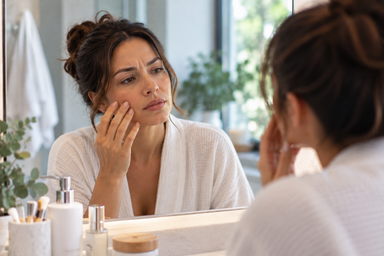
You start noticing it in certain lighting, maybe in a bathroom mirror with the overhead light on or in a photo someone else took. Pores that never used to bother you suddenly look more visible. Skin that used to feel smooth now has a slightly uneven texture you can feel with your fingertips. If you have ever wondered why this happens and whether it can be reversed, you are asking a question that has a real, biological answer, not just a cosmetic one.
Patients at Capraro Plastic Surgery throughout the Denver area bring up this exact concern often, usually after noticing it gradually over a year or two rather than overnight.
Microneedling in Denver, Colorado
At Capraro Plastic Surgery, we provide microneedling treatments for patients throughout Denver, Colorado, from downtown to surrounding neighborhoods across the metro area. Whether enlarged pores, acne scarring, or uneven texture from Colorado's dry climate are the concern, our Denver team tailors every treatment plan to your specific skin.
What Actually Causes Enlarged Pores?
Pores themselves do not physically grow or shrink in size the way people often assume. What changes is the skin around them. Pores appear larger when they are stretched by excess oil production, clogged with dead skin cells and debris, or surrounded by skin that has lost elasticity due to declining collagen. Genetics play a significant role in natural pore size, but sun damage, aging, and skin type all affect how visible pores become over time. Oilier skin types tend to show more visible pores because excess sebum stretches the pore opening. As collagen production slows with age, the skin around each pore loses some of its structural support, which makes the opening appear more prominent even if its actual size has not changed dramatically.
What Causes Uneven Skin Texture and Scarring?
Uneven texture usually comes from one of a few sources. Acne, especially cystic or inflammatory acne, can damage the deeper layers of skin during the healing process, leaving behind pitted or rolling scars once the breakout resolves. Sun exposure breaks down collagen and elastin unevenly across the face, creating a rougher overall texture. Denver's high altitude means UV exposure is notably more intense than at sea level, which is part of why many long term residents notice texture changes earlier than expected. Dead skin cell buildup from a slower cell turnover rate, which naturally happens with age, can also leave skin looking dull and rough rather than smooth and reflective.
Are Enlarged Pores and Acne Scars Permanent?
Neither has to be permanent, though both require a targeted approach rather than surface level skincare alone. Pore appearance can be meaningfully improved by treatments that encourage new collagen production and tighten the surrounding skin. Acne scars, particularly the more common rolling and boxcar types, respond well to treatments that stimulate the skin's own repair process at a deeper level than topical products can reach on their own.
Can You Prevent Pores From Becoming More Noticeable?
Consistent sun protection is one of the most effective preventive habits, since UV damage is a major driver of collagen breakdown around pores. Regular, gentle exfoliation helps prevent the buildup of dead skin and oil that stretches pore openings. Avoiding picking at active breakouts significantly reduces the risk of scarring, since manipulation during the inflammatory phase is one of the biggest contributors to permanent texture changes. A consistent skincare routine that includes ingredients supporting collagen production can also help slow the pace of visible change.
How Does Microneedling Improve Pores, Scarring, and Texture?
Microneedling works by creating a controlled series of extremely fine punctures in the skin using sterile needles. This triggers the body's natural wound healing response, which includes new collagen and elastin production. As the skin remodels itself over the following weeks, pore openings appear tighter, acne scars soften as the surrounding tissue fills in, and overall texture becomes noticeably smoother. Because the treatment works with your body's own repair process rather than simply resurfacing the top layer of skin, results continue to improve for several weeks after each session. You can learn more about our approach on the microneedling service page.
For patients looking for more dramatic improvement, particularly with deeper acne scarring or more significant laxity, we also offer RF microneedling, which combines the same needling technique with radiofrequency energy to further tighten skin and stimulate collagen at a deeper level.
What Should You Expect From Treatment and Recovery?
A typical microneedling session takes about thirty to forty five minutes, including topical numbing time for comfort. Most patients experience redness similar to a mild sunburn for one to three days afterward, along with some light flaking as the skin renews itself. A series of three to six sessions spaced several weeks apart is generally recommended for noticeable improvement in scarring and texture, with maintenance treatments recommended periodically after that to sustain results.
Who Is a Good Candidate for Microneedling?
Good candidates include anyone dealing with enlarged pores, mild to moderate acne scarring, uneven texture, or early fine lines who wants a treatment that works with the skin's natural healing process rather than an aggressive resurfacing approach. It is not typically recommended for patients with active acne breakouts, certain skin infections, or specific bleeding disorders, which is why a consultation and skin evaluation always comes first at our practice.
How Does Microneedling Compare to Other Skin Resurfacing Options?
Patients often ask how microneedling compares to chemical peels or laser resurfacing. Chemical peels work by exfoliating the outer layers of skin chemically, which is especially effective for dullness and superficial discoloration. Laser resurfacing uses targeted light energy and tends to address deeper concerns with more downtime involved. Microneedling sits in a middle ground, offering meaningful collagen stimulation with relatively minimal downtime, which makes it a popular option for patients who want visible improvement without a lengthy recovery period. Our team can help determine which treatment, or combination of treatments, best matches your specific skin concerns.
Why Choose Capraro Plastic Surgery for Microneedling in Denver?
Our providers evaluate your skin type, scarring pattern, and goals individually before recommending a treatment plan, rather than applying a one size fits all protocol. You can review our full menu of aesthetic services on our services page and see real results in our before and after gallery. Learn more about our experienced Denver area team on our about page.
This information reflects current treatment protocols as of September 2026.
Frequently Asked Questions
Does microneedling hurt? Most patients feel mild pressure or a light scratching sensation, and topical numbing cream is applied beforehand to keep the treatment comfortable.
How many microneedling sessions will I need? Most patients see the best results from a series of three to six sessions spaced about four to six weeks apart, depending on their specific concerns.
Is microneedling effective for acne scars? Yes, microneedling is one of the more effective non ablative treatments for improving the appearance of rolling and boxcar acne scars over a series of sessions.
How much downtime does microneedling require? Most patients experience redness for one to three days, similar to mild sunburn, with no significant downtime required beyond that.
Can microneedling help with large pores? Yes, by stimulating collagen production around the pore opening, microneedling can meaningfully reduce how visible enlarged pores appear over time.
Turns Out Smoother Skin Was Never About Better Makeup, It Was About Better Collagen
Enlarged pores and uneven texture are common concerns that come from real changes happening beneath the surface of your skin, and there are proven ways to address both. If you are in the Denver area and want a personalized plan for smoother, more even skin, contact our team to schedule a consultation.