What Do PRF Injections Actually Treat? A Greenwood, Colorado Guide
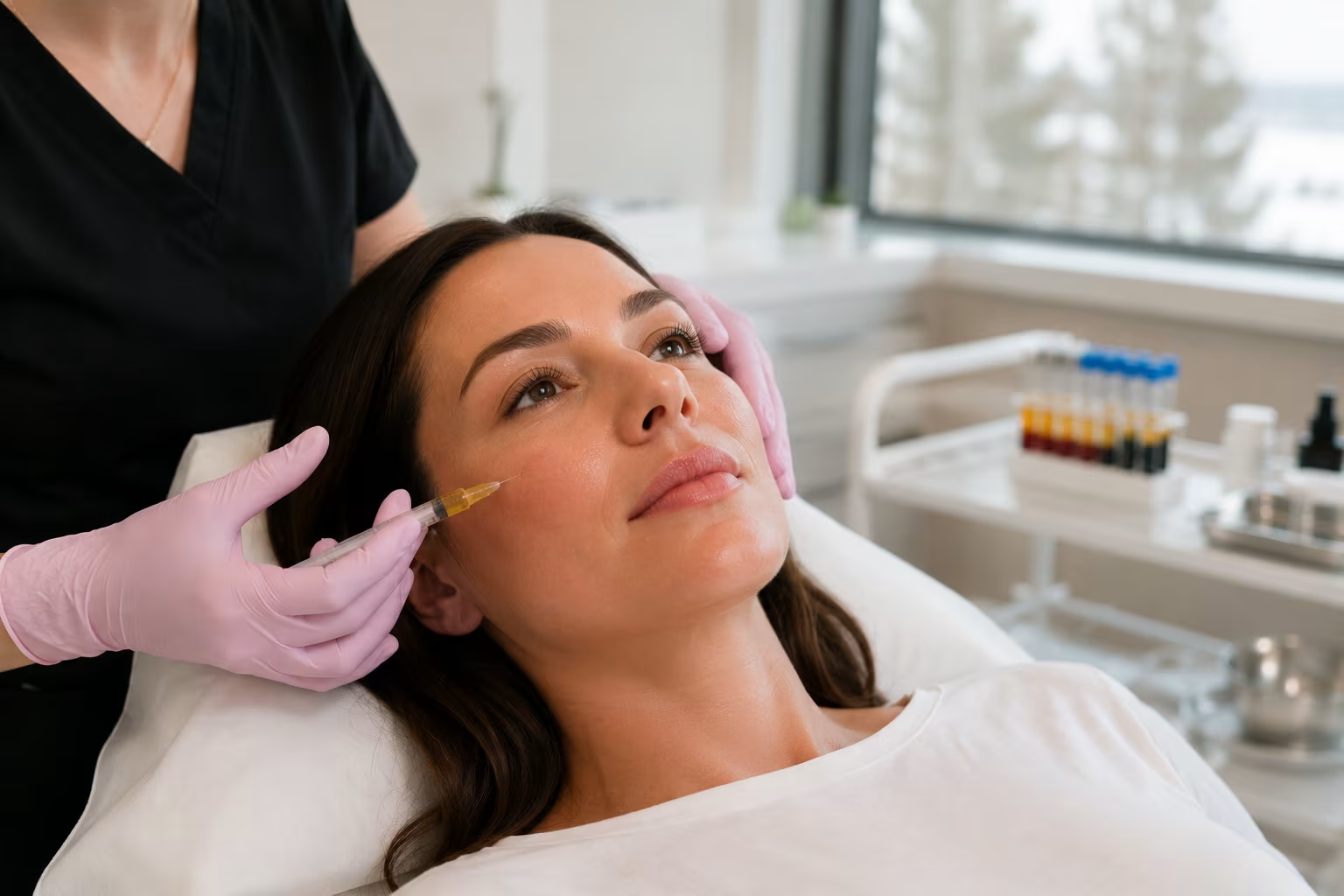
If you have noticed persistent under eye hollows, a dull skin texture that will not budge no matter how much serum you apply, or thinning that seems to be creeping in along your part line, you have probably come across the term PRF while researching solutions. And if you have been typing PRF injections near me into a search bar late at night, you are not alone. This treatment has become one of the more talked about options in regenerative aesthetics, and for good reason.
At Capraro Plastic Surgery, we use PRF as part of our approach to helping patients address these concerns using their own body's healing resources rather than synthetic fillers alone. Below, we will break down what PRF actually is, what concerns it is best suited for, and how it fits into a broader skin health plan in Greenwood, Colorado.
What Exactly Is PRF and How Is It Different From PRP?
Before understanding what PRF treats, it helps to understand what it is made of and how it works in the body.
How Is PRF Prepared?
Platelet Rich Fibrin is created from a small sample of your own blood, which is spun in a centrifuge to concentrate platelets, growth factors, and fibrin. Unlike traditional PRP, PRF uses a slower spin process that preserves more white blood cells and creates a fibrin matrix, which allows the growth factors to release gradually over a longer period rather than all at once.
Why Does the Slower Release Matter?
That gradual release is part of what makes PRF appealing for skin concerns that develop over time, like volume loss or dullness. Instead of a short burst of activity, the tissue receives ongoing support as the fibrin matrix breaks down naturally over several weeks.
What Skin Concerns Can PRF Help Address?
PRF is not a one size fits all treatment, but it does address a wide range of concerns that tend to show up as skin ages or loses vitality.
Can PRF Help With Under Eye Hollows and Dark Circles?
One of the most common reasons patients ask about PRF is persistent under eye hollowing. As we age, the thin skin under the eyes can lose volume, making the area look sunken or shadowed regardless of how much sleep you get. PRF injected carefully into this delicate area can help stimulate collagen and support the skin's structure, softening that hollow appearance over time.
Does PRF Help With Fine Lines and Skin Texture?
Yes. Because PRF encourages collagen production, many patients notice a gradual improvement in fine lines, skin tone, and overall texture in the months following treatment. This is different from a filler, which adds immediate volume. PRF works more subtly, encouraging your own skin to rebuild itself.
Can PRF Be Used for Acne Scarring?
PRF is often used to support the skin's healing response in areas affected by acne scarring, particularly when combined with other resurfacing treatments. The growth factors in PRF can help support collagen remodeling in areas where scar tissue has disrupted the skin's normal texture.
What About Thinning Hair?
PRF has also become a popular option for early hair thinning, since the growth factors can help support the health of hair follicles. This is typically approached as part of an ongoing treatment plan rather than a single session fix.
What Causes These Concerns in the First Place?
Understanding the root cause of hollowing, dullness, or thinning helps explain why a regenerative approach like PRF can be effective.
Why Does Under Eye Volume Loss Happen?
Collagen production naturally slows starting in our mid twenties, and the skin under the eyes is among the thinnest on the body, which means volume loss tends to show up there earlier and more noticeably than in other areas. Genetics, sun exposure, and sleep habits can all influence how quickly this happens.
Why Does Skin Lose Its Glow Over Time?
Cell turnover slows with age, which means dead skin cells linger longer on the surface and collagen synthesis decreases. Environmental factors like sun exposure and pollution can accelerate this process, which is why so many patients in Colorado's high altitude, high sun exposure climate notice these changes a bit earlier than expected.
Who Is a Good Candidate for PRF Injections?
PRF tends to appeal to a specific type of patient, and understanding whether you fit that profile is a helpful first step.
Is PRF Right for Early Signs of Aging?
Patients in their late twenties through forties who are noticing the earliest signs of volume loss or dullness, but are not ready for more invasive procedures, often find PRF to be a good starting point. It is also frequently used alongside other treatments as part of a maintenance plan.
Are There Reasons Someone Might Not Be a Candidate?
Because PRF uses your own blood, certain blood disorders or medications that affect clotting may make someone a less ideal candidate. This is something our team reviews carefully during a consultation before recommending treatment.
What Should You Expect During Recovery?
Since PRF is minimally invasive, recovery is usually straightforward, though it varies slightly by treatment area.
How Long Does Swelling or Bruising Last?
Mild swelling, redness, or bruising at the injection site is common for a few days afterward, particularly in delicate areas like under the eyes. Most patients feel comfortable returning to normal activities the next day.
When Will You See Results?
Because PRF works by stimulating your body's own healing and collagen production, results build gradually rather than appearing overnight. Many patients begin noticing changes within three to four weeks, with continued improvement over the following months.
Why Consider PRF at a Plastic Surgery Practice Rather Than Elsewhere?
Because PRF injections require a clear understanding of facial anatomy, especially in sensitive areas like the under eyes, it matters where and by whom the treatment is performed. At Capraro Plastic Surgery, our team combines aesthetic training with a strong understanding of skin biology to determine whether PRF, PRP, or a combination approach best fits your goals. You can learn more about our regenerative offerings on our PRFM and PRP services page, and if volume loss is more your concern than skin quality, our Renuva page may also be worth exploring. For patients dealing with more visible signs of aging around the eyes, our aging and wrinkles concerns page offers additional context on how our treatments work together.
Frequently Asked Questions
How many PRF sessions are usually needed? Most patients benefit from a series of two to three sessions spaced several weeks apart, followed by periodic maintenance depending on the treated area and individual goals.
Is PRF safe since it uses my own blood? Yes. Because PRF is derived from your own blood, the risk of allergic reaction or rejection is very low compared to synthetic alternatives.
Can PRF be combined with other treatments? Yes, PRF is often paired with microneedling or used alongside dermal fillers to support both immediate and long term improvement in skin quality.
Does PRF hurt? Most patients describe mild discomfort similar to a typical injection, and numbing options are available for more sensitive areas like under the eyes.
How long do PRF results last? Results vary, but many patients see benefits lasting several months to a year, with maintenance sessions helping to extend that timeline.
Let Your Skin Do the Heavy Lifting
PRF offers a way to address under eye hollowing, dullness, and other early signs of aging using your body's own regenerative resources rather than reaching straight for synthetic solutions. If you have been searching for PRF injections near you in Greenwood, Colorado, our team can help determine whether this treatment fits your skin goals. Schedule a consultation to talk through what your skin actually needs.
This article was updated in August 2026 to reflect current PRF treatment practices and patient guidance.