What Skin Concerns Can CO2 Laser Treatment Actually Fix?
If you've spent years trying serums, chemical peels, and at-home devices for acne scars, sun damage, or skin that just looks tired no matter how much sleep you get, you've probably come across CO2 laser treatment in your research. It's one of the more talked-about options in aesthetic medicine, and for good reason. It tends to work when other things haven't.
Before booking anything, though, it helps to understand exactly which concerns CO2 laser is built to address, how it compares to gentler alternatives, and what the actual experience looks like from treatment day to final results. Here's a full breakdown for anyone considering it in Denver, Colorado.
This guide was updated in August 2026 with current treatment details and recovery expectations.
What Is CO2 Laser Resurfacing?
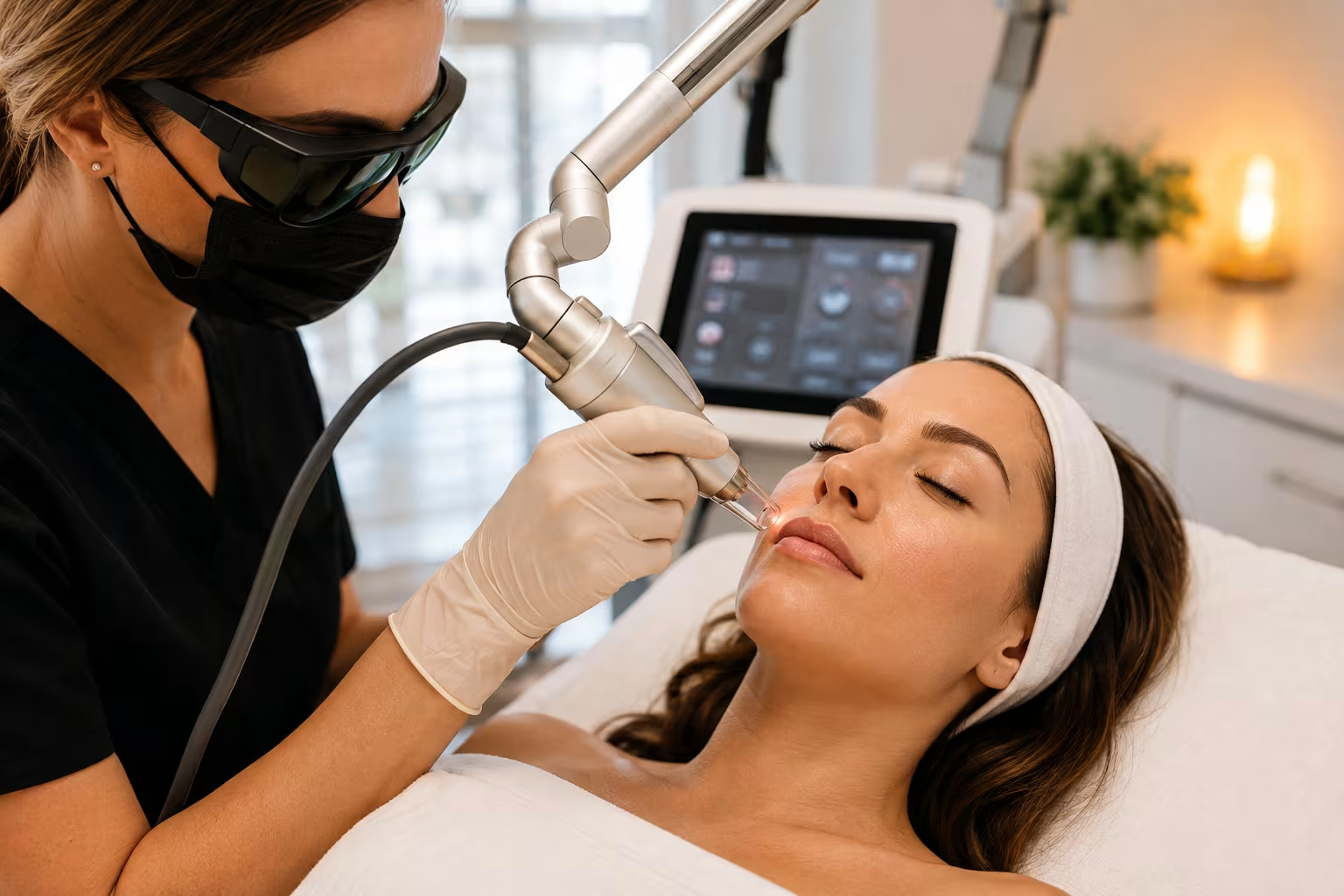
CO2 laser resurfacing uses concentrated light energy to remove damaged outer layers of skin while heating the deeper layers to stimulate new collagen production. Newer fractional and low-downtime versions, sometimes called CoolPeel, deliver similar collagen stimulation with a shorter recovery window, which has made the treatment far more accessible for patients who can't take a week off work.
What Skin Concerns Does CO2 Laser Address?
Acne Scars and Textural Damage
Pitted or textured scarring from past acne is one of the most common reasons patients seek out CO2 laser treatment. The laser resurfaces the skin's texture and encourages smoother collagen to rebuild underneath, often with more noticeable results than microneedling alone for deeper scarring.
Sun Damage and Uneven Pigmentation
Years of Colorado sunshine and high-altitude UV exposure take a toll on skin, showing up as brown spots, uneven tone, and rough patches. CO2 laser treatment removes the damaged surface layer, revealing more even-toned skin underneath as it heals.
Fine Lines and Early Wrinkles
Because the treatment stimulates collagen at a deeper level, it can soften fine lines around the eyes, mouth, and forehead in a way that topical products typically can't achieve on their own.
Enlarged Pores and Rough Texture
Skin that feels bumpy or looks dull under makeup often responds well to resurfacing, since the treatment essentially resets the skin's surface and encourages tighter, smoother regrowth.
Mild Skin Laxity
While CO2 laser isn't a replacement for a surgical facelift, the collagen stimulation it triggers can offer mild tightening benefits for patients with early signs of sagging who aren't ready for surgery.
What Causes These Skin Concerns in the First Place?
Most of the concerns treated by CO2 laser share common underlying causes: cumulative UV exposure, natural collagen decline with age, inflammation from acne, and genetic factors that affect how skin heals and scars. Denver's elevation means UV exposure is more intense than at sea level, even on cool or overcast days, which is why sun damage tends to show up earlier and more visibly in Colorado residents than in people living at lower altitudes.
How Does CO2 Laser Compare to Other Skin Resurfacing Options?
Compared to chemical peels or microdermabrasion, CO2 laser generally penetrates deeper and produces more dramatic, longer-lasting improvement, but it also comes with more downtime. Compared to microneedling or RF microneedling, CO2 laser tends to be more effective for surface-level pigment and texture issues, while RF microneedling may be preferred for concerns focused more on tightening and less on visible sun damage. Choosing between them often comes down to how much downtime you can accommodate and which concern is your priority.
Who Is a Good Candidate for CO2 Laser Treatment?
Ideal candidates have visible sun damage, acne scarring, or textural concerns and are in generally good skin health without active acne breakouts or certain skin conditions that could complicate healing. Skin tone can also be a factor, since deeper skin tones carry a higher risk of pigment changes with more aggressive laser settings, which is why a consultation and skin assessment matter before any treatment plan is set.
What Should You Expect During Recovery?
Recovery depends on the intensity of the treatment. Lighter, fractional treatments may involve redness and light peeling for three to five days, while deeper, fully ablative treatments can require a week or more of downtime with more noticeable swelling and peeling. Sun protection is critical during healing, since new skin is especially vulnerable to pigment changes if exposed to UV light too soon.
When Should You See a Provider Instead of Trying to Manage It Yourself?
If over-the-counter products and at-home routines haven't moved the needle on scarring, sun damage, or texture after several months of consistent use, that's typically a sign the concern needs a more targeted, professional-grade treatment. A consultation can also help rule out any underlying skin conditions that might be contributing to the issue before jumping straight to laser treatment.
Where Can You Get CO2 Laser Treatment in Denver?
At Capraro Plastic Surgery, our CO2 laser resurfacing service is performed under the guidance of our medical team, with treatment plans built around your specific skin concerns rather than a one-size-fits-all approach. If sun damage or pigmentation is your main concern, our page on pigmentation and sun damage offers more detail on how we evaluate and treat it, and our skin texture and dullness page covers texture-focused concerns specifically.
Frequently Asked Questions
Is CO2 laser treatment painful? Most patients describe a warm, prickling sensation during treatment, which is managed with topical numbing cream beforehand. Discomfort during recovery is generally mild to moderate and improves within a few days.
How many CO2 laser sessions will I need? Many patients see significant improvement after a single deeper treatment, while lighter fractional sessions are often repeated in a series for gradual results.
How long do CO2 laser results last? Results can last for years, though continued sun protection and skincare are important for maintaining the improvement, since ongoing UV exposure and aging will still affect the skin over time.
Can CO2 laser treat both fine lines and acne scars at the same time? Yes, since the treatment works by triggering broad collagen renewal, it often improves multiple concerns, including fine lines, scarring, and texture, in the same treatment area.
Is CO2 laser safe for all skin tones? It requires more caution in deeper skin tones due to pigment change risk, which is why a skin assessment during consultation is an important first step before any treatment is scheduled.
Ready for Clearer Skin? Let's Talk Lasers
CO2 laser treatment isn't magic, but for the right skin concerns, it's about as close as aesthetic medicine gets. If acne scars, sun spots, or rough texture have been bothering you longer than you'd like to admit, a conversation with our team can tell you whether this treatment fits your skin and your goals.
Book a consultation to find out if CO2 laser resurfacing is the right next step for you.