How Do You Know It's Actually Time for a Facelift?

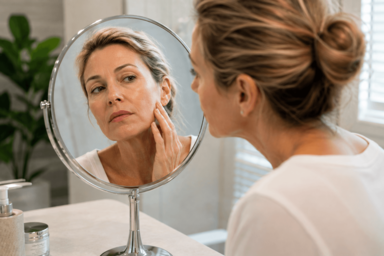
There is a difference between noticing that your face looks a little tired in photos and reaching a point where no amount of skin care, sleep, or injectables seems to make a real difference anymore. A lot of people spend years in that in between space, unsure whether what they are seeing in the mirror calls for a non-surgical touch up or something more comprehensive. If you have found yourself wondering whether it is time for a facelift, there are some fairly reliable signs that can help answer that question.
At Capraro Plastic Surgery, this is one of the most common conversations we have with patients in Greenwood, Colorado. Below, we will walk through what actually causes these facial changes, the signs that typically indicate a facelift will be more effective than non-surgical options, and what the decision making process looks like.
What Causes the Face to Age the Way It Does?
Facial aging is not just about wrinkles. It involves several layers of change happening at once.
Is It Really Just About Skin Elasticity?
Skin elasticity is part of it, but not the whole story. Underneath the skin, facial fat pads shift and shrink in certain areas while sometimes accumulating in others, and the deeper connective tissue that holds everything in place gradually loosens with age. This combination of changes is why creams and even injectables eventually stop being enough on their own.
Does Bone Structure Change Too?
Yes, though it is less talked about. Facial bone density and volume decrease over time, particularly around the eye sockets, cheeks, and jaw, which removes some of the underlying support structure that skin and tissue rely on. This is part of why faces do not just get looser with age, they also change shape.
What Are the Signs That Point Toward a Facelift Rather Than Non-Surgical Options?
Some signs of aging respond well to non-invasive treatments, while others are better addressed surgically. Knowing which category your concerns fall into makes a real difference in expectations.
Have Jowls Started to Form Along the Jawline?
When the jawline that used to be sharp and defined starts to soften and sag, forming what is commonly called jowls, this is one of the clearest signs that skin and underlying tissue have loosened enough that non-surgical tightening treatments are unlikely to fully correct it.
Is There Noticeable Sagging in the Midface or Cheeks?
If cheeks that used to sit higher have started to droop, sometimes creating deeper nasolabial folds or a hollow look beneath the cheekbone, this is often a sign that facial support structures have shifted in a way that filler alone cannot fully address.
Has Your Neck Started to Show Loose, Banded Skin?
Neck skin is thin and tends to show laxity earlier than other facial areas. When vertical bands or looser skin become visible, especially when looking down or turning your head, it often signals that a neck lift, sometimes performed alongside a facelift, would be more effective than topical or non-surgical treatments.
Do You Look Tired or Upset Even When You Feel Fine?
This is one of the more emotionally frustrating signs. When facial volume loss and skin laxity combine to create a resting expression that looks tired, sad, or stern regardless of how you actually feel, that mismatch between how you look and how you feel is a common reason patients decide it is time to explore surgical options.
Have You Tried Non-Surgical Treatments With Limited Results?
If you have already invested in treatments like dermal fillers, neurotoxins, or skin tightening procedures and noticed the results were subtle or short lived relative to the change you are hoping for, that is often a sign your concerns have progressed beyond what those treatments are designed to address.
What Is the Difference Between a Facelift and Non-Surgical Alternatives?
Understanding what each approach can and cannot do helps clarify which one actually fits your situation.
What Can Non-Surgical Treatments Realistically Achieve?
Treatments like dermal fillers, neurotoxins, and skin tightening procedures such as RF microneedling can meaningfully improve early signs of aging, including fine lines and mild volume loss, but they work within the existing structure of your face rather than repositioning tissue.
What Makes a Facelift Different?
A facelift addresses the underlying support structures directly, repositioning tissue and removing excess skin to create a more comprehensive and longer lasting improvement, particularly for moderate to advanced signs of aging that non-surgical treatments cannot fully correct.
Who Is a Good Candidate for a Facelift?
Not everyone considering a facelift is at the same stage, and that matters when deciding on timing.
Is There an Ideal Age for a Facelift?
There is no single ideal age. Some patients pursue a facelift in their mid forties to fifties when jowling and midface sagging first become bothersome, while others wait until their sixties or beyond. The right timing depends more on the specific signs you are noticing and how much they affect your confidence than on age alone.
Does Overall Health Matter More Than Age?
Yes. Because a facelift is a surgical procedure, general health, realistic expectations, and the ability to take time for proper recovery matter more than a specific age cutoff.
What Does Facelift Recovery Actually Involve?
Understanding the recovery timeline helps set realistic expectations before moving forward.
How Long Is Initial Recovery?
Most patients take about two weeks off from work and social activities, with visible bruising and swelling typically improving significantly within that window.
When Do Final Results Become Visible?
While much of the improvement is visible within the first month, final results continue to refine over several months as swelling fully resolves and tissues settle into their new position.
Why Talk to a Plastic Surgeon Before Deciding?
Because the line between "a little more filler will help" and "this needs a surgical solution" is not always obvious from the mirror, a consultation with an experienced surgeon is the most reliable way to get an honest answer. At Capraro Plastic Surgery, we walk patients through exactly which changes are driving their concerns and whether a facelift, a more targeted procedure like a neck lift or brow lift, or a non-surgical approach makes the most sense.
You can learn more about the procedure on our facelift page, and if you are still exploring non-surgical options first, our aging and wrinkles concerns page and RF microneedling service page are good places to start.
Frequently Asked Questions
How do I know if I need a facelift or just fillers? If your main concern is volume loss without significant skin laxity, fillers may be enough. If skin has visibly loosened or sagged, particularly along the jawline or neck, a facelift typically provides more effective and lasting correction.
Is there a minimum age for getting a facelift? No, the right time depends on how advanced your signs of aging are and how much they bother you, not a specific age requirement.
How long do facelift results typically last? Most patients enjoy results that last ten to fifteen years, though the aging process continues naturally afterward.
Can a facelift address the neck as well as the face? A traditional facelift primarily addresses the lower face and jawline, and a neck lift is often performed at the same time to fully address neck laxity.
What is the biggest factor in facelift recovery time? Individual healing, the extent of the procedure, and following post-operative care instructions closely all play a significant role in how smoothly recovery goes.
Reading the Signs Before You Read the Reviews
Deciding whether it is time for a facelift is less about age and more about understanding what your specific signs of aging actually indicate. If jowling, neck laxity, or midface sagging have started to outpace what your current routine can address, a conversation with our team in Greenwood, Colorado can help clarify your best next step. Schedule a consultation to find out what is really going on and what your options look like.