What Does Laser Resurfacing Recovery Actually Look Like, Day by Day?
Everyone wants to know the same thing before booking a resurfacing treatment: how bad is the recovery, really? It's a fair question, and honestly one that doesn't get answered clearly enough. Marketing photos show a smooth before-and-after, but they skip the part in between, the days when your skin is red, tight, and maybe a little alarming to look at in the mirror.
If you're trying to plan around work, travel, or just want to know what you're signing up for, here's a realistic breakdown of laser resurfacing recovery time, what affects how long it takes, and how to get through it without unnecessary stress.
Updated August 2026 with current recovery guidance based on treatment type.
Why Recovery Time Varies So Much
Laser resurfacing isn't a single treatment, it's a category that ranges from gentle, no-downtime toning sessions to more intensive ablative treatments like CO2 laser resurfacing. Recovery time depends heavily on which type of laser is used, how deep the treatment penetrates, and how large an area is treated. A light, fractional treatment on the cheeks will recover very differently than a full-face, deeper resurfacing session, so it's worth being specific with your provider about what kind of downtime you're actually working with before scheduling.
What Does Recovery Look Like Day by Day?
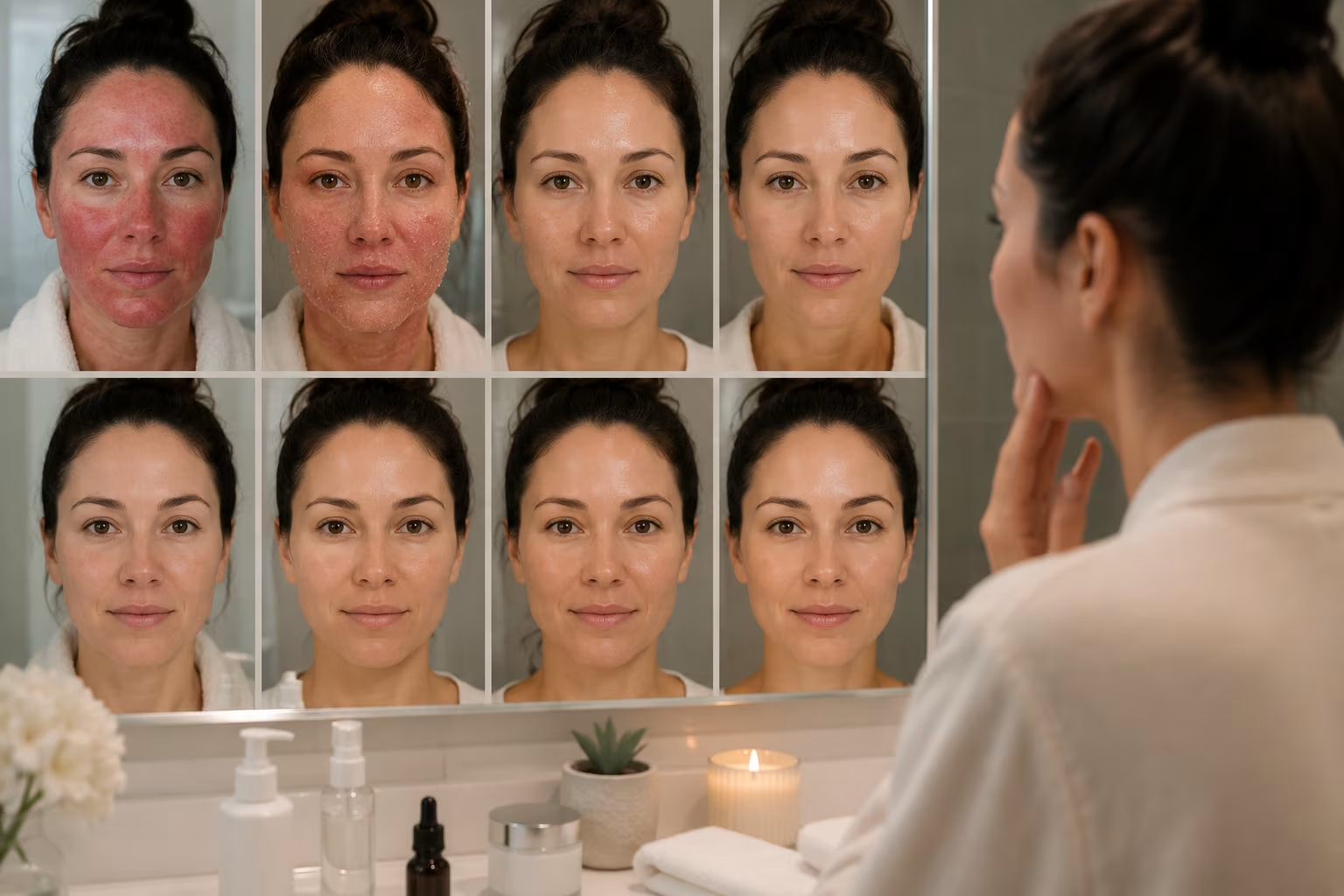
Day 1 to 2: Redness, Warmth, and Tightness
Immediately after treatment, skin typically looks similar to a moderate sunburn, red, warm to the touch, and tight. Swelling is common, especially around the eyes if the treatment included that area. Most patients can manage this stage with cool compresses and the aftercare products recommended by their provider.
Day 3 to 5: Peeling and Flaking Begins
This is usually the least photogenic part of recovery. Skin starts to flake or peel as the damaged outer layer sheds, revealing fresh skin underneath. It's important not to pick or peel skin manually, since that can lead to scarring or uneven healing. Makeup is generally not recommended during this stage until peeling resolves.
Day 5 to 7: New Skin Emerges
By the end of the first week for most fractional or moderate treatments, the majority of visible peeling has finished, revealing pinker, smoother skin underneath. Some redness typically remains and can be covered with mineral makeup once cleared by your provider.
Week 2 to 4: Redness Fades, Texture Improves
Over the following weeks, residual redness fades and skin texture continues to improve as new collagen develops beneath the surface. Many patients feel comfortable returning to normal social activities well before this stage, once initial peeling has resolved.
Months 1 to 3: Full Collagen Results Develop
The most dramatic textural and tone improvements from resurfacing develop gradually as new collagen builds over the following months, which is why final results aren't fully visible until well after the surface-level healing is complete.
What Factors Affect How Long Recovery Takes?
Recovery length depends on the type of laser used (ablative treatments like CO2 laser generally require longer downtime than non-ablative options), the depth and intensity of the settings chosen, the size of the treated area, and individual healing factors like skin type, age, and how well aftercare instructions are followed. Sun exposure during healing can also extend recovery and increase the risk of complications like pigment changes.
How Can You Support Faster, Smoother Healing?
Following your provider's specific aftercare plan matters more than any general tip, but a few habits consistently help: keeping skin consistently moisturized with recommended post-procedure products, avoiding direct sun exposure and wearing a broad-spectrum sunscreen once cleared to do so, resisting the urge to pick at peeling skin, and avoiding strenuous exercise or excessive sweating for the first several days, since heat and sweat can irritate healing skin.
When Should You Contact Your Provider During Recovery?
Some redness, swelling, and peeling are expected, but certain symptoms warrant a call to your provider: increasing pain rather than gradual improvement, signs of infection like pus or spreading redness, or fever. It's always better to check in with a quick question than to wait through a concerning symptom, and a reputable provider will want to hear from you either way.
How Does Recovery Time Affect Which Treatment You Should Choose?
If you have an event, vacation, or work commitment coming up, recovery time should factor directly into which type of laser resurfacing makes sense right now. Gentler treatments like laser toning involve little to no visible downtime and can often be scheduled close to an event, while more intensive resurfacing, including CO2 laser, is better planned during a period when you can comfortably stay out of the public eye for several days.
Where to Get Laser Resurfacing with Clear Recovery Guidance in Denver
At Capraro Plastic Surgery, every resurfacing treatment plan includes a specific recovery timeline discussed before you ever get on the table, so there are no surprises afterward. Our CO2 laser resurfacing page outlines what that specific recovery experience involves, and our laser toning page covers our lower-downtime option for patients working around a tighter schedule.
The Waiting Game, Made a Little Less Mysterious
Recovery from laser resurfacing is temporary, predictable, and, honestly, the easiest part to plan for once you know what's actually coming. The results on the other side are what make the week or two of redness and peeling worth it for most patients.
Schedule a consultation to talk through recovery expectations for the specific treatment that fits your skin and your schedule.
Frequently Asked Questions
How long does laser resurfacing recovery typically take? It depends on the treatment type, ranging from little to no downtime with gentle toning treatments to one to two weeks of visible peeling and redness with more intensive resurfacing like CO2 laser.
Can I go to work during laser resurfacing recovery? Many patients take a few days off for more intensive treatments due to visible peeling, while gentler treatments often allow a quicker return to normal activities and work.
When can I wear makeup after laser resurfacing? Most providers recommend waiting until peeling has fully resolved, typically around five to seven days for moderate treatments, though your specific provider will confirm timing based on your treatment.
Is it normal for skin to feel tight during recovery? Yes, tightness and mild swelling are common in the first few days as skin heals and should gradually ease as peeling completes.
How soon can I exercise after laser resurfacing? Most providers recommend avoiding strenuous exercise and excessive sweating for at least several days after treatment to prevent irritation of healing skin.