What Does Laser Skin Resurfacing Actually Treat, and Are You a Good Candidate?
There's a specific kind of frustration that comes with skin that looks "off" in a way you can't quite fix with products. Not broken out, not dry, just dull, uneven, or older-looking than you feel. That's usually when laser skin resurfacing starts coming up in searches and conversations with friends who've already tried it.
The tricky part is that "laser resurfacing" isn't one single treatment. It's a category that includes several different technologies, each suited to slightly different concerns. Here's how to figure out what's actually going on with your skin, which type of resurfacing tends to address it, and whether you're a reasonable candidate before booking anything.
This article was updated in August 2026 to reflect current treatment technology and candidacy guidelines.
What Is Laser Skin Resurfacing?
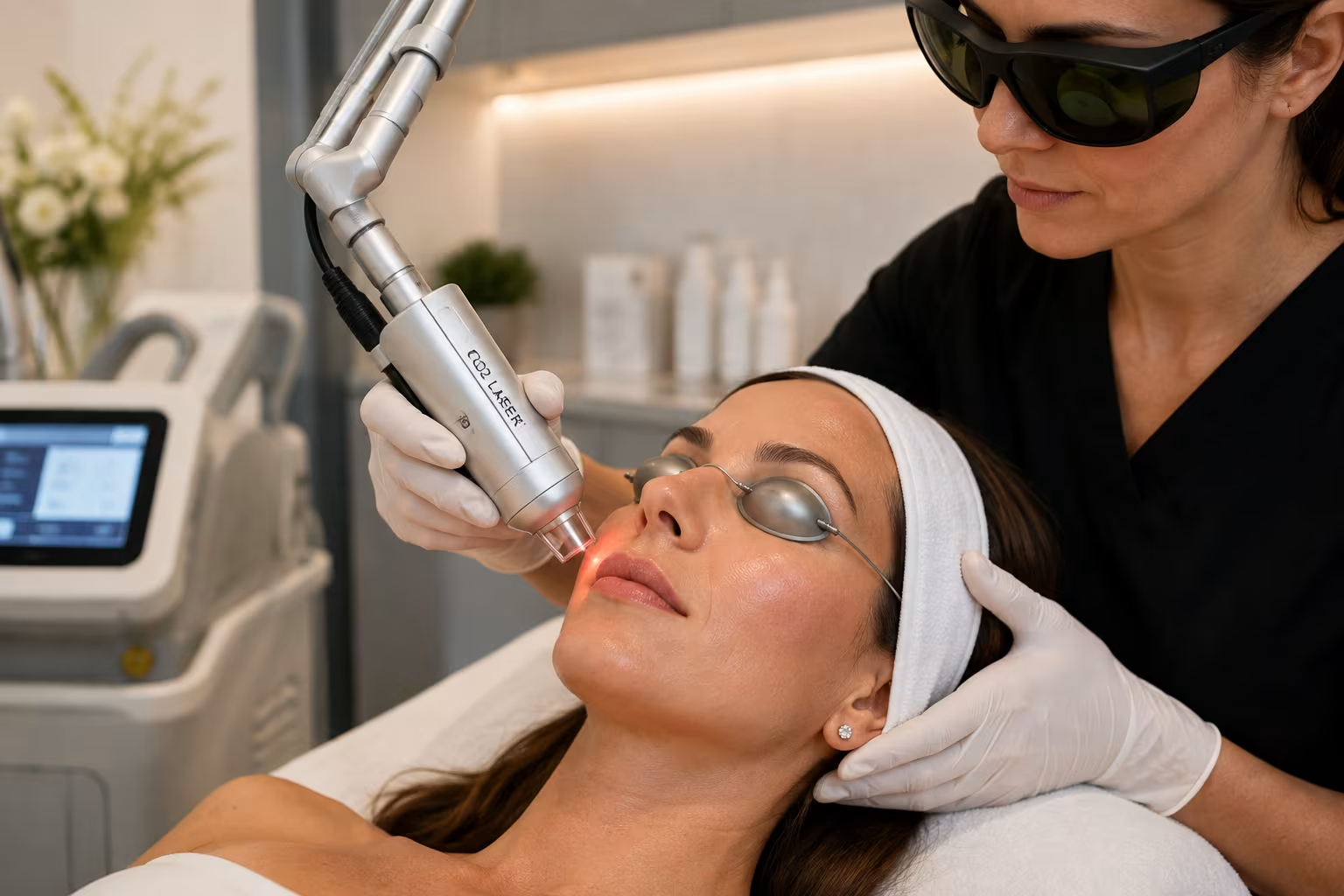
Laser skin resurfacing uses focused light energy to remove or heat damaged layers of skin, prompting the body to generate new, healthier tissue and fresh collagen underneath. Depending on the type of laser and settings used, treatments can range from a gentle, no-downtime refresh to a more intensive resurfacing session with a longer recovery period.
What Skin Concerns Does Laser Resurfacing Address?
Sun Damage and Age Spots
Years of cumulative UV exposure, especially at Colorado's elevation, show up as brown spots, uneven pigmentation, and rough patches. Resurfacing removes the damaged outer layer, allowing more evenly toned skin to surface as it heals.
Fine Lines and Loss of Skin Elasticity
As collagen production slows with age, skin loses some of its bounce and develops fine lines, particularly around the eyes and mouth. Laser resurfacing stimulates new collagen growth, which can visibly soften these early signs of aging over time.
Acne Scarring and Uneven Texture
Old acne scars and generally rough or bumpy texture respond well to resurfacing, since the treatment essentially resets the skin's surface layer and encourages smoother regrowth underneath.
Enlarged Pores and Dull Complexion
Skin that looks tired or lacks its natural glow, even with a consistent skincare routine, often improves with resurfacing, which can tighten pore appearance and restore a more even, radiant tone.
Vascular Redness and Broken Capillaries
Certain laser wavelengths are specifically effective for visible redness and small blood vessels near the skin's surface, addressing concerns that typical resurfacing lasers aren't designed for.
What Causes These Skin Concerns?
The concerns treated by resurfacing typically stem from a combination of UV exposure, natural aging, genetics, and past skin trauma like acne. Denver's high altitude means UV intensity is higher than at sea level year-round, which is part of why many longtime Colorado residents notice sun damage and premature aging earlier than they expected.
What Are the Different Types of Laser Resurfacing?
Ablative lasers, like CO2 laser treatment, remove the outer skin layer entirely and tend to deliver more dramatic results with more downtime. Non-ablative and fractional lasers heat the skin without removing the surface layer, offering gentler improvement with less recovery time but often requiring a series of sessions. Treatments like laser toning fall into this gentler category and are frequently used for tone and mild pigment concerns without significant downtime.
Choosing between them depends on how severe the concern is and how much recovery time you're able to accommodate.
Who Is a Good Candidate for Laser Skin Resurfacing?
Ideal candidates have visible sun damage, fine lines, scarring, or textural concerns, and are in good overall skin health without active infections or certain inflammatory skin conditions. Skin tone also plays a role in determining which laser and settings are safest, since some treatments carry a higher risk of pigment changes in deeper skin tones. A skin evaluation during consultation is the most reliable way to determine candidacy and expected results.
What Should You Expect During Recovery?
Recovery ranges widely depending on the intensity of treatment chosen, from little to no visible downtime with gentler toning treatments, to several days of redness and peeling with more aggressive resurfacing. Diligent sun protection during healing is essential, since newly resurfaced skin is more vulnerable to sun damage and pigment changes until it's fully healed.
When Should You Consider Professional Treatment Instead of At-Home Products?
If topical retinoids, vitamin C serums, or at-home devices haven't meaningfully improved sun damage, texture, or fine lines after consistent use over several months, that's a reasonable signal that the concern needs a more targeted, in-office treatment. A consultation can also help identify whether an underlying issue, like rosacea or active sun sensitivity, needs to be addressed before resurfacing is scheduled.
Where to Get Laser Skin Resurfacing in Denver
At Capraro Plastic Surgery, our team offers a range of resurfacing options tailored to different concerns and downtime preferences, including laser toning for gentler tone correction and CO2 laser resurfacing for deeper concerns like acne scarring and significant sun damage. If redness or visible vessels are your primary concern, our redness and vascular issues page covers treatment options specifically for that.
Frequently Asked Questions
Does laser skin resurfacing hurt? Most patients feel warmth or mild stinging during treatment, which is managed with topical numbing for more intensive sessions. Discomfort during recovery is generally mild and temporary.
How many resurfacing sessions will I need? Gentler treatments are often done in a series of several sessions, while more intensive resurfacing may produce visible improvement after just one or two treatments.
Can laser resurfacing treat wrinkles around the eyes? Yes, resurfacing is commonly used around the eyes and mouth, though a provider will determine the safest laser type and settings for that more delicate skin.
Is laser resurfacing safe for sensitive or darker skin tones? It depends on the specific laser and settings used. A thorough skin evaluation during consultation determines which treatment is safest and most effective for your skin tone.
How soon will I see results after laser skin resurfacing? Some improvement is visible as swelling and redness resolve within the first week or two, with full collagen-related results developing gradually over the following months.
Skin That Actually Looks Like You Slept Well
Laser resurfacing works because it treats the actual structure of the skin, not just what sits on the surface. If your skin has been looking duller, older, or more uneven than you'd like despite a solid skincare routine, it's worth finding out which type of resurfacing fits your specific concern.
Schedule a consultation to get a personalized recommendation based on your skin type and goals.