What Actually Happens During a Plastic Surgery Consultation?

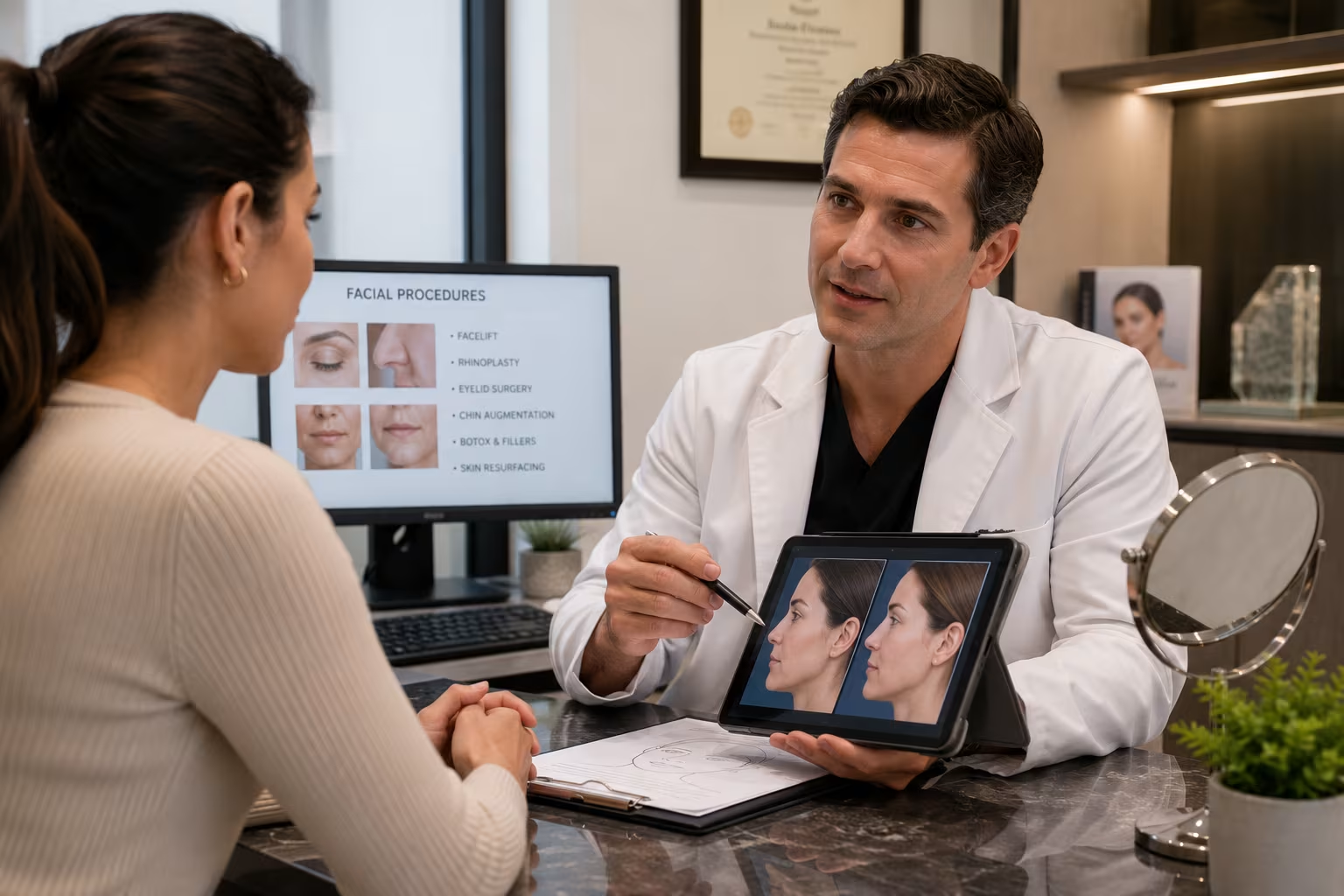
Booking a plastic surgery consultation is often the hardest part of the entire process, not because the appointment itself is intimidating, but because of everything leading up to it. The uncertainty about what you'll be asked, whether you'll feel pressured into anything, and whether you'll even get real answers to your questions can keep people putting it off for months, sometimes years.
Here's what a consultation actually involves, how to prepare for it, and what separates a good one from a rushed sales pitch, so you can walk in feeling informed rather than anxious.
Updated August 2026 with current consultation practices and preparation guidance.
What Is the Purpose of a Plastic Surgery Consultation?
A consultation is where a surgeon evaluates whether you're a good candidate for the procedure you're interested in, discusses realistic outcomes based on your specific anatomy, and answers questions about the process, risks, and recovery. It's also your opportunity to evaluate the surgeon and decide whether you feel comfortable moving forward with them specifically, since the relationship matters as much as the technical skill involved.
What Concerns or Situations Typically Lead Someone to Book a Consultation?
Some patients arrive already certain about a specific procedure, like breast augmentation or a tummy tuck, while others come in with a general concern, loose skin, facial aging, body asymmetry, and want guidance on what options actually exist. Both situations are completely normal, and a good consultation should be helpful either way, whether you need confirmation of a plan you've already researched or a starting point when you're not sure what's realistic yet.
What Happens Step by Step During the Visit?
Medical History Review
Your surgeon or their clinical team will review your overall health history, current medications, prior surgeries, and any conditions that could affect surgical safety or healing, such as diabetes, blood clotting disorders, or smoking history.
Physical Evaluation
For most procedures, a physical exam of the relevant area is necessary to assess skin quality, tissue volume, symmetry, and anatomy that will influence both the surgical approach and expected outcome. This part of the visit is what allows the surgeon to move from general information to advice specific to your body.
Discussion of Goals and Realistic Outcomes
This is often the most valuable part of the appointment. A thorough surgeon will talk through what's realistically achievable given your anatomy, rather than simply agreeing with whatever outcome you describe. If your goals and what's medically realistic don't fully align, a good consultation is where that gets addressed honestly.
Procedure and Recovery Explanation
You should leave the consultation understanding what the procedure actually involves, how long it takes, what anesthesia will be used, and a general recovery timeline, including when you can expect to return to work and normal activity.
Cost and Financing Discussion
Pricing is typically discussed once your specific treatment plan is clear, since cost depends on the exact procedure, any combination of treatments, and facility or anesthesia fees. Many practices also review financing options at this stage for patients who want to spread out payment.
How Should You Prepare for a Plastic Surgery Consultation?
Bring a list of questions rather than relying on memory once you're in the room, since it's easy to forget things once the conversation starts moving. It also helps to bring reference photos if you have a specific look or result in mind, along with a complete list of current medications and supplements, since some of them can affect bleeding risk or healing. If you have a history of keloid scarring, blood clotting issues, or previous complications from any surgery, mention that early in the conversation.
What Questions Should You Ask During Your Consultation?
A few questions consistently separate a well-informed patient from someone walking in blind: What are the specific risks for this procedure given my health history? How many of these procedures do you perform each year? What does recovery actually look like week by week? What happens if I'm not satisfied with the result? And where exactly will the surgery be performed, and by whom, since some practices use outside facilities or delegate parts of care to staff you haven't met.
What Are Red Flags to Watch for During a Consultation?
Be cautious of any consultation that feels rushed, pressures you to book immediately with limited-time discounts, avoids answering direct questions about risk, or can't clearly explain who will actually be performing your surgery. A reputable surgeon should welcome questions and never make you feel uncomfortable taking time to think before committing.
Is a Consultation the Same as Committing to Surgery?
No. A consultation is an information-gathering appointment, not a commitment. Many patients attend consultations at more than one practice before deciding, and any surgeon confident in their work should be comfortable with that process rather than discouraging it.
What Happens After the Consultation?
If you decide to move forward, next steps typically include scheduling a surgery date, receiving pre-operative instructions, and in some cases additional testing or clearance depending on the procedure and your health history. If you're not ready yet, that's completely fine too. Most practices are happy to have you return for a follow-up consultation whenever you feel ready to move forward.
Scheduling a Plastic Surgery Consultation in Denver
At Capraro Plastic Surgery, consultations are built around education first, with no pressure to commit to anything on the spot. Our about page introduces our team, including Dr. Philippe A. Capraro, and our procedures page gives you a starting point for researching options before your visit. Our financing page is also worth reviewing ahead of time if cost planning is part of your decision.
Consider This Your Permission to Just Book the Appointment
A consultation doesn't obligate you to anything except getting real, personalized answers instead of guessing based on forums and before-and-after photos online. If you've been sitting on a decision for months because the unknown felt bigger than the actual appointment, this is usually the moment that changes that.
Schedule your consultation and get the specific answers you've been searching for.
Frequently Asked Questions
How long does a plastic surgery consultation usually take? Most consultations last between thirty minutes and an hour, depending on the complexity of the procedure being discussed and how many questions you bring.
Does a plastic surgery consultation cost anything? Consultation fees vary by practice and sometimes by procedure. It's worth confirming this when you book so there are no surprises.
Can I bring someone with me to my consultation? Yes, most practices welcome patients bringing a friend or family member for support and an extra set of ears during the conversation.
Will I get a firm price quote at my first consultation? In most cases yes, once your treatment plan is finalized, though some cases may require a follow-up visit if additional evaluation is needed.
What if I decide not to move forward after my consultation? That's completely normal and not a problem. A consultation is meant to inform your decision, not lock you into anything.