How Do You Know If You're Ready for Plastic Surgery?

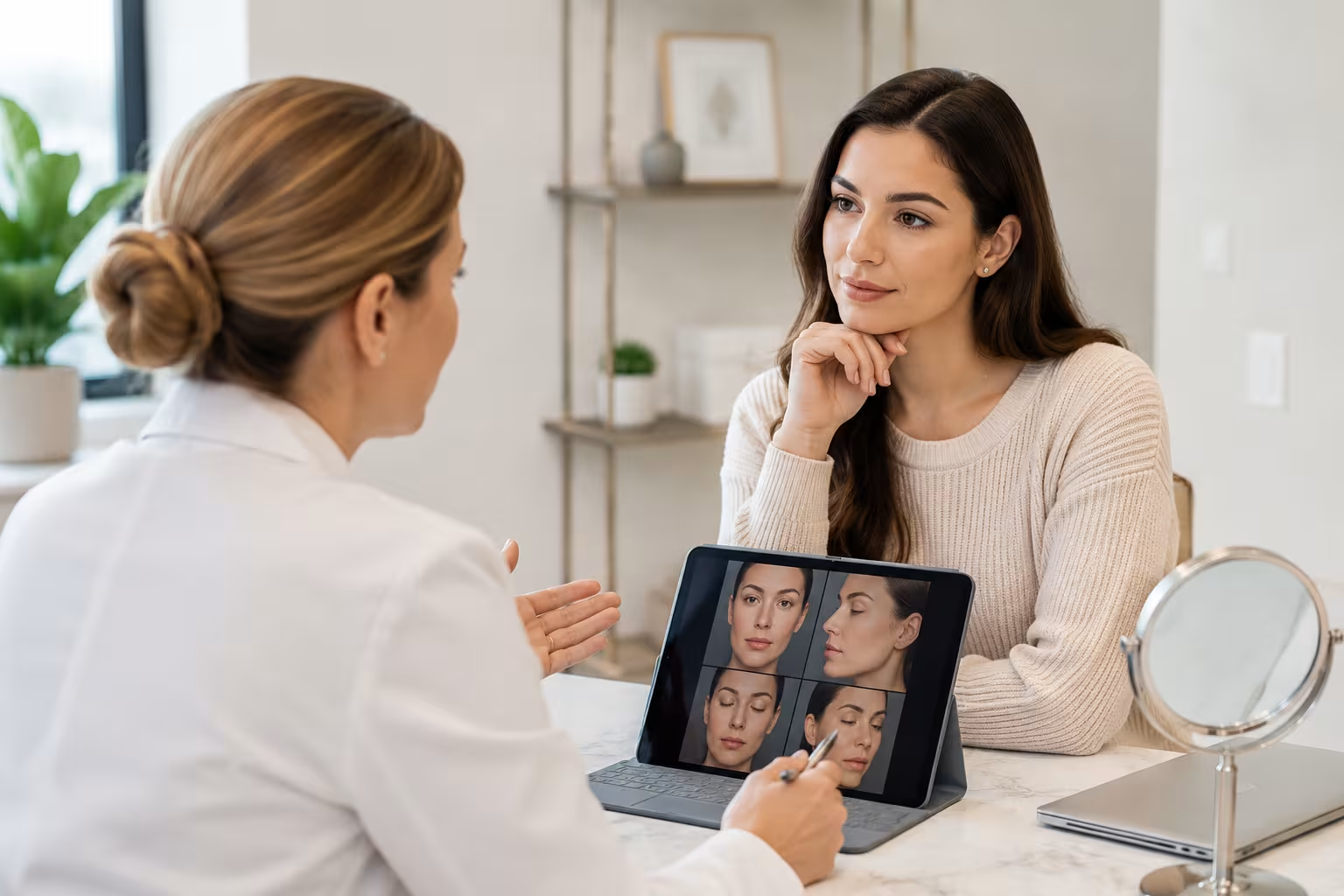
Most people don't wake up one morning and decide to have plastic surgery on a whim. It's usually the opposite. It's a slow build of noticing the same thing in the mirror, in photos, or in the fit of clothes that used to feel effortless. Maybe it's loose skin after having kids, a nose you've never loved, or a body that stopped responding to diet and exercise the way it used to. At some point, the question shifts from "should I?" to "how do I actually go about this the right way?"
If you're in that place, you're not alone, and you're not being vain. Plastic surgery exists precisely because bodies change in ways that skincare and willpower alone can't reverse. This guide walks through the physical and emotional signs that often lead people toward surgical consultation, the procedures available here in Colorado, and what a responsible, well-informed path to plastic surgery actually looks like in Denver.
This article was updated in August 2026 to reflect current procedure options and pricing trends in the Denver area.
What Is Plastic Surgery, and How Is It Different from Cosmetic Procedures?
Plastic surgery is a broad surgical specialty that includes both reconstructive procedures (repairing function or form after injury, illness, or congenital conditions) and cosmetic procedures (elective changes to appearance). A plastic surgeon trains for years beyond medical school specifically in tissue healing, aesthetic proportion, and surgical safety, which is different from providers who only offer injectables or laser treatments at a medspa.
Many patients start with non-surgical treatments, like neurotoxins or dermal fillers, and later explore surgical options once they understand where the limits of non-invasive care actually are. Understanding that distinction early helps you set realistic expectations before you ever sit down for a consultation.
What Physical or Emotional Concerns Lead People to Consider Plastic Surgery?
There isn't one universal reason people pursue surgery, but a few patterns show up again and again.
Loose or Sagging Skin After Weight Loss or Pregnancy
Skin that has been stretched for months or years often doesn't snap back, even after the weight comes off or the baby arrives. This is a structural issue, not a discipline issue, and it's one of the most common reasons patients look into body contouring procedures like a tummy tuck or arm lift.
Volume Loss and Signs of Facial Aging
Collagen production declines steadily starting in your late twenties, which shows up as hollowed cheeks, a heavier jawline, or deeper folds around the mouth. Some patients manage this with facial fillers or regenerative treatments for years before deciding a facelift or brow lift offers a longer-lasting solution.
Breast Changes After Life Events
Pregnancy, breastfeeding, weight fluctuation, and aging can all change breast size, shape, and position. This is why breast augmentation, breast lift, and mommy makeover procedures remain some of the most requested surgeries nationally, including here in Denver.
Asymmetry or Features You've Never Been Comfortable With
Not every concern is about aging. Some patients have lived with a nose shape, chest asymmetry, or body proportion they've wanted to change for years, and rhinoplasty or buttock augmentation can address that directly.
Emotional Readiness
Feeling self-conscious in clothing, avoiding photos, or noticing your appearance affects your confidence in daily life are all valid, common reasons people move forward, as long as expectations are grounded in what surgery can realistically achieve.
What Are the Most Common Plastic Surgery Procedures in Denver?
Denver patients tend to gravitate toward a fairly consistent set of procedures, largely because of the area's active, outdoor lifestyle and a strong local demand for natural-looking results rather than dramatic overcorrection.
Popular options include breast augmentation and breast lift, abdominoplasty (tummy tuck), liposuction, mommy makeover (a combination of body procedures often performed together), facelift and neck lift, rhinoplasty, and eyelid lift. Male-focused procedures like gynecomastia surgery (male breast reduction) have also grown steadily in demand.
Are There Non-Surgical Alternatives Worth Trying First?
Not every concern requires an operating room. Many patients address early signs of aging or mild skin concerns with non-surgical treatments before considering anything more involved. Options like CO2 laser resurfacing, RF microneedling, and dermal fillers can meaningfully improve skin texture, tone, and volume without downtime measured in weeks. These treatments work well for patients who aren't ready for surgery or whose concerns are more about skin quality than structural change.
That said, non-surgical treatments have limits. Loose skin, significant volume loss, or structural asymmetry typically won't resolve with injectables or lasers alone, which is where a conversation with a board-certified plastic surgeon becomes valuable, even if you ultimately decide against surgery.
How Do You Know If You're a Good Candidate for Plastic Surgery?
Good candidates are generally in stable overall health, at a maintainable weight, and free of uncontrolled conditions like diabetes or active smoking habits that can complicate healing. Just as important is having realistic expectations. Surgery can improve proportion, tighten skin, or restore volume, but it can't stop the aging process entirely or guarantee an exact outcome.
A thorough consultation with your surgeon is the only reliable way to know for sure. During that visit, your surgical history, current health, and goals are reviewed in detail before any procedure is recommended.
What Should You Expect During Recovery?
Recovery varies significantly by procedure. A facial procedure like an eyelid lift may only require a week or two of downtime, while a tummy tuck or breast augmentation can involve several weeks of restricted activity and gradual return to exercise. Your surgical team should walk you through a specific recovery timeline, including when you can expect to return to work, driving, and physical activity, based on the exact combination of procedures you choose.
How Much Does Plastic Surgery Cost in Denver, Colorado?
Cost depends heavily on the procedure, the complexity of the case, anesthesia fees, and facility costs. Denver pricing tends to fall in line with national averages for major metro areas, though costs vary widely between a single procedure and a combination surgery like a mommy makeover. Many practices, including ours, offer financing options to help make treatment more accessible, and a personalized quote is only possible after a consultation and physical evaluation.
Why Choose a Denver-Based Practice for Plastic Surgery?
Working with a local, board-certified plastic surgeon means in-person consultations, easier follow-up care, and a surgeon who understands the aesthetic preferences common to Colorado patients, who often lean toward natural, proportionate results rather than an obviously "done" look. At Capraro Plastic Surgery, patients also have access to complementary medspa services, from skin resurfacing to injectables, allowing for a more complete approach to aesthetic goals over time.
If you're exploring your options, our services and procedures pages outline everything currently offered, and our about page introduces the team behind your care.
The Real Talk Before You Book: Weighing It All Out
Deciding on plastic surgery isn't about chasing perfection. It's about closing the gap between how you feel and how you look, in a way that's safe, realistic, and right for your body. If the concerns above sound familiar, the next step isn't surgery itself, it's simply a conversation with someone qualified to tell you what's actually possible.
Our team welcomes that conversation. Schedule a consultation to talk through your goals and find out which path, surgical or not, makes the most sense for you.
Frequently Asked Questions
Is plastic surgery painful? Most patients experience discomfort rather than severe pain, and it's typically managed with prescribed medication during the first few days after surgery.
What's the difference between a plastic surgeon and a cosmetic surgeon? A plastic surgeon completes formal residency training specifically in plastic and reconstructive surgery, while "cosmetic surgeon" isn't a protected medical specialty and can be used by providers from a range of training backgrounds.
Can I combine multiple procedures in one surgery? Yes, many patients combine procedures, such as a tummy tuck with liposuction in a mommy makeover, to reduce total recovery time and anesthesia exposure, provided it's medically appropriate for the individual.
How long do results from plastic surgery last? Results vary by procedure. Breast augmentation and body contouring results are generally long-lasting, while facial procedures may need touch-ups over the years as natural aging continues.
Do I need a referral to see a plastic surgeon in Denver? No referral is typically required for elective cosmetic procedures. You can schedule a consultation directly with the practice.